REVIEW · MAUI
Group Surf Lesson at Ka’anapali Beach
Book on Viator →Operated by Island Style Adventures - Maui Surf School Kaanapali · Bookable on Viator
Learning to surf starts with one good cue. On Ka’anapali Beach, this lesson turns nervous paddling into real wave practice, backed by hands-on coaching and included gear. You’ll get on the water for about an hour, after a safety-first setup that makes the whole thing feel manageable.
I love the 30-minute land safety lesson that gets you moving before you’re out there. I also love that coaching stays tight, with instructors who tend to work in small pods like you plus two others, not a single “good luck out there” group vibe.
One possible drawback: the meeting spot can be easy to miss, and a few people felt the on-the-day instructions weren’t as clear as they expected. Also, the staff photographer is optional for purchase, but you should confirm how the photo process works so expectations match reality.
In This Review
- Key things to know before you go
- Why Ka’anapali Beach is a smart choice for your first surf lesson
- Meeting at Kaanapali Alii Resort: how to avoid a start-line headache
- The 30-minute land safety lesson: where the waves stop being scary
- The hour in the water: how small-group surf coaching really plays out
- Equipment you get: why included rash guards and reef shoes are more than a perk
- Coach quality on Maui: patient instruction with real feedback
- Staff photography: optional add-on, so manage expectations
- Who this surf lesson fits best (and who should choose private)
- Value and logistics: what you’re paying for besides a board
- Should you book this Ka’anapali group surf lesson?
- FAQ
- Where is the meeting point for the surf lesson?
- How early should I check in?
- What’s the lesson schedule?
- What equipment is included?
- Is this recommended for young children?
- How big is the group?
- What’s the cancellation policy?
Key things to know before you go
- Ka’anapali Beach timing: arrive early for check-in (about 30 minutes before start)
- 30-minute safety and land practice: boards, basics, and safety come first
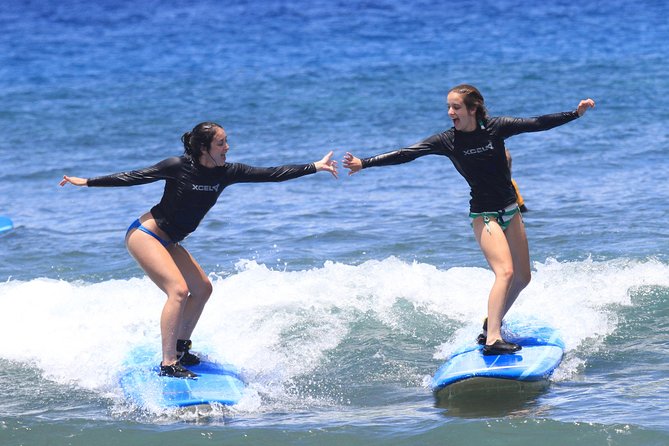
- Small-group coaching: focused attention in a group capped at 15
- Gear included: rash guard, reef shoes, and a surf board
- Staff photographer: photos are optional to buy at the end of the lesson
- Not for very young kids: group surf isn’t recommended for children under age 8
Why Ka’anapali Beach is a smart choice for your first surf lesson
Ka’anapali Beach is a practical place to learn because everything happens right where you’re supposed to be: meet up, gear up, get coached, then head into the water together. You’re not spending the whole trip transferring from one location to another.
What I like most is that the lesson is built for beginners. Even when you’re in a group, you’re not treated like an indistinct blob of humanity. The instruction style aims at getting you into your own rhythm—paddle, pop up, and repeat—without losing the safety part.
If you’re hoping to stand up quickly, this is the kind of lesson where you can actually get there. Many first-timers pick up enough basics by the third wave to feel the shift from panic to play.
You can also read our reviews of more tours and experiences in Maui


Meeting at Kaanapali Alii Resort: how to avoid a start-line headache
Your meeting point is Kaanapali Alii Resort, 50 Nohea Kai Dr, Lahaina, HI 96761. The activity ends back at the same spot, so you’re not trying to remember where you parked while salty and tired.
Check in is 30 minutes before your lesson start time. This is not “nice to have.” It’s the difference between breezing in and spending your first five minutes wandering the beach like you lost your passport. A few people said the meeting instructions felt vague, and they only figured it out by texting/calling their instructor.
So here’s my simple plan: arrive early, scan for your staff, and be ready to contact your instructor if you don’t immediately see them. If you’re buying anything related to the lesson later (like photos), doing that while you’re already on-site keeps you from scrambling at the end.
Also note: your ticket is mobile, and the lesson runs in English. Confirmation comes at the time of booking.
The 30-minute land safety lesson: where the waves stop being scary
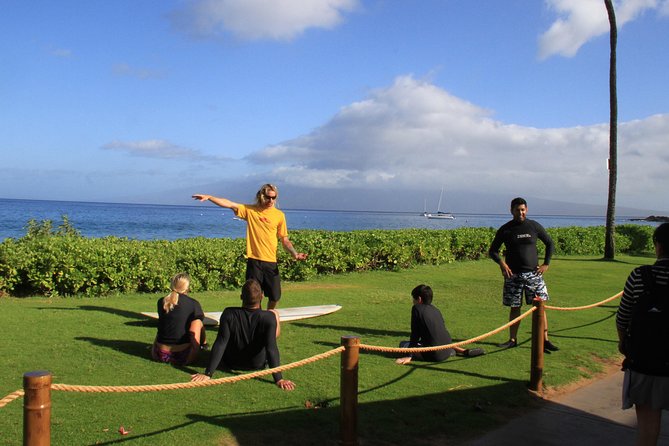
The lesson starts with a 30-minute land/safety session. This part matters more than it sounds. Surfing feels chaotic the moment you’re holding a board in real conditions—so learning the safety rules and basic technique on dry ground helps you avoid wasting your first time in the water.
On land, you’ll get coached on how to handle the board and how to move with it. You’ll also get the “when to do what” basics so that when you’re in the ocean, you’re not trying to translate instructions while your heart is sprinting.
Here’s the big win for first-timers: you can ask questions before you’re soaking. You can also watch the instructor demonstrate key points so you know what correct movement looks like. One thing I’d watch for is voice clarity—if your group is large, stand where you can actually hear.
The hour in the water: how small-group surf coaching really plays out
After the land lesson, you’ll spend about one hour in the water practicing. The overall experience is roughly 1 hour 30 minutes, but remember that check-in is part of the day.
Even though it’s a group lesson (maximum 15 travelers), the coaching isn’t just one person yelling directions across the beach. The format is designed so instructors can give more direct feedback. Some learners described it as more personalized than they expected, with instructors focusing on tiny clusters like you plus two others.
That matters because surf technique is physical and fast. The difference between a wipeout and a clean stand can be timing by a second—paddle position, where your feet land, and how you rise. When an instructor can correct that quickly, you progress faster.
You’ll also likely surf in spots chosen for the group and conditions. One family noted their group was taken to a spot that felt rougher/rockier than expected. If you have any mobility limitations or you’re not feeling confident, tell your instructor early so they can place you appropriately.
Most people come away with at least one or more moments that click—standing up, catching waves, and feeling like you’re actually surfing, not just being dragged around by a surfboard.
Equipment you get: why included rash guards and reef shoes are more than a perk
Included gear is one of the biggest value drivers here. You get a rash guard, water shoes (reef shoes), and a surf board.
That means you don’t need to shop for specialty items before your trip. It also means you start with a baseline of comfort and protection—rash guards reduce friction and help with sun exposure, while reef shoes protect your feet when you’re walking near the waterline and launching.
Your surf board is provided too, which is a big deal for beginners. Getting the right board size and setup for your weight and skill level can change everything. You don’t have to guess. The instructor’s system does that work for you.






Coach quality on Maui: patient instruction with real feedback
The lesson lives or dies by the coach. And this one seems to deliver in a very human way: patience, clear directions, and feedback that helps you adjust immediately.
Specific instructors show up again and again in strong experiences, including Nick and Reef, plus coaches like Matt, Tyler, Conan and Reed, and Koa and Juan. People commonly describe instructors as calm and encouraging, with a teaching style that makes you feel comfortable trying again after wipeouts.
If you want a practical tip, it’s this: listen closely during the beach briefing. Several people said paying attention on land made the water part easier. Surf lessons reward focus. You don’t need to be a marine athlete—you need to be ready to follow the exact cues at the exact moment.
And when it goes well, it goes well fast. Multiple first-timers reported they were up on early attempts, sometimes by the third wave. That’s the kind of progress that keeps the whole hour feel fun instead of intimidating.
Staff photography: optional add-on, so manage expectations
There’s a staff photographer who takes photos during the lesson. The photos are optional for purchase at the end.
One thing to keep in mind: a few learners said the promised photography options were unclear or didn’t match what they expected. I can’t guarantee how it will work on every day, but I’d treat it like this: if photography matters to you, ask a quick question before the water starts about how you’ll view and purchase photos afterward.
Also, remember photos tend to be action-heavy and timing-dependent. If you want the best shots, your coach can sometimes position your group or cue when to try standing.
If you’re not buying photos, no stress—your money is still in the instruction and the time on the water.
Who this surf lesson fits best (and who should choose private)
This is a beginner-friendly group lesson, but it’s not for everyone. Group surfing is not recommended for children under age 8. If your child is younger, consider booking a private lesson so the instruction can match their pace and attention level.
You should also have a moderate physical fitness level. Surfing is mostly about balance, paddling, and getting up repeatedly—so you don’t need athletic training, but you should be comfortable with active movement for about an hour in the ocean.
This lesson makes extra sense if you’re:
- a solo traveler who wants an easy structure and included gear
- a couple looking for a fun shared “we tried something new” experience
- a family with kids old enough to handle instructions and water time
People also described it as a good first surf experience for adults and kids together. If you’re older and new to surfing, the group format can work as long as you stay engaged during instruction and communicate concerns early.
Value and logistics: what you’re paying for besides a board
There’s no price listed here, so I can’t tell you if it’s the cheapest option. But I can tell you what drives value.
You’re getting:
- Local guide/instructor coaching
- Rash guard, reef shoes, and surf board included
- Parking validation for up to 3 hours
- Small group size with a cap of 15
That mix matters. Equipment included saves time and hassle, and parking validation can quietly prevent a trip headache. The small-group cap is also important because it affects how much feedback you receive. Surfing is too technical to be coached like a crowd event.
The other logistic point is the time structure. You’re taught on land for about 30 minutes, then you’re out in the water for about an hour. That’s a good ratio for first-timers: enough time to learn the basics without burning the day waiting around.
Should you book this Ka’anapali group surf lesson?
If your goal is a fun, confidence-building first surf lesson with included gear and focused coaching, I think this is a strong match. The best sign is that people repeatedly describe instructors as patient and helpful, with clear feedback that helps learners stand and catch waves earlier than they expect.
I’d book it if you can do the basics physically, you arrive early for check-in, and you’re comfortable being coached as part of a group (even a small one).
I’d hesitate if you strongly care about the photography add-on and you haven’t confirmed how the photo purchasing process works on your specific day. And if your meeting instructions don’t feel clear to you, plan to be proactive—arrive early and contact your instructor if you’re not finding the setup.
FAQ
Where is the meeting point for the surf lesson?
The meeting point is Kaanapali Alii Resort, 50 Nohea Kai Dr, Lahaina, HI 96761, USA. The activity ends back at the same meeting point.
How early should I check in?
Check in is 30 minutes prior to the lesson start time.
What’s the lesson schedule?
The session starts with a 30-minute land/safety lesson, followed by about one hour in the water surfing.
What equipment is included?
The lesson includes a rash guard, water shoes (reef shoes), and a surf board.
Is this recommended for young children?
Group surf lessons are not recommended for children under age 8. If your child is younger, you should book a private lesson.
How big is the group?
The group has a maximum of 15 travelers.
What’s the cancellation policy?
You can cancel up to 24 hours in advance for a full refund. If you cancel less than 24 hours before the experience starts, the amount you paid will not be refunded. The experience can also be canceled for poor weather, in which case you’ll be offered a different date or a full refund.
If you tell me the ages in your group and whether you’re first-timers, I can help you decide if this group format is the right fit or if private coaching would feel safer and faster.