REVIEW · MAUI
Ultimate Self-Driving Audio Tour of Road to Hana, Maui
Book on Viator →Operated by History with Action · Bookable on Viator
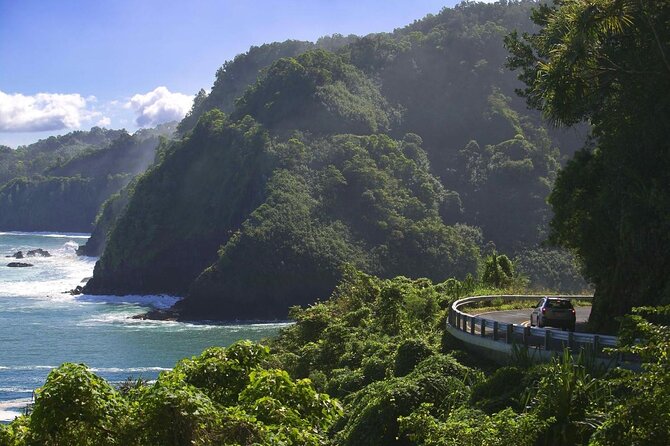
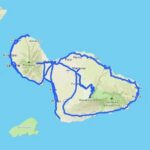
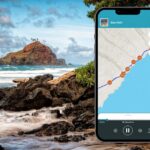
Road to Hana deserves better than a plain drive. This self-guided audio tour layers offline GPS maps with location-triggered stories, so the road feels like a guided lesson without the group pressure. You can start when you want, pause for waterfalls and snacks, and keep going over one day or spread it out.
I really like the hands-free audio that plays as you approach each point, which makes driving less stressful. I also like the value: it’s $16.99 per group (up to 4 people), and you get lifetime access with no expiry.
One key drawback to plan for: this is not turn-by-turn live navigation. If you start in the wrong place or take a detour, the GPS-triggered narration can lag or repeat, and you’ll need to get yourself back on the route for the flow to feel right.
In This Review
- Key takeaways before you go
- Why an offline audio Road to Hana feels better than a bus
- Price and value: $16.99 per group actually makes sense
- Paia and Ho’okipa: your first “I get why people love Maui” stretch
- Mile Marker Zero through Twin Falls: history on the move
- Arboretums, trails, and the Garden of Eden stop you’ll talk about later
- Honomanu Bay, Ke’anae Arboretum, and the coastline that changes moods fast
- Nahiku: viewpoints, George Harrison ties, and where to snack
- Wai’anapanapa black sand and the beaches with big personalities
- The Haleakala/Kipahulu finish: big trail payoff
- Practicalities: offline GPS, starting right, and avoiding audio sync drama
- What you should plan to skip (and what you shouldn’t)
- Who this self-driving Road to Hana tour fits best
- Book it or skip it: my decision guide
- FAQ
- FAQ
- How much does the Road to Hana audio tour cost?
- How long is the Road to Hana tour?
- Do I need cell signal or Wi-Fi during the drive?
- What do I need to do before I arrive?
- How does the audio start while I’m driving?
- Can I pause the tour and continue later?
- Are attraction tickets included, like entry to Wai’anapanapa or Garden of Eden?
- What if the audio doesn’t match where I am?
- What should I know about closures on Road to Hana?
Key takeaways before you go
- Offline GPS with directions so you’re not hostage to Maui’s spotty signal.
- Hands-free, location-triggered narration that plays on its own as you drive.
- Value that’s per carload, not per person, ideal for families and small groups.
- Flexible timing: start any time within operating hours and pause as often as you like.
- Important permits and fees at specific stops (black sand beach and a few gardens are not included).
- Audio sync depends on staying on route and speed limit, not on being a flawless driver.
Why an offline audio Road to Hana feels better than a bus
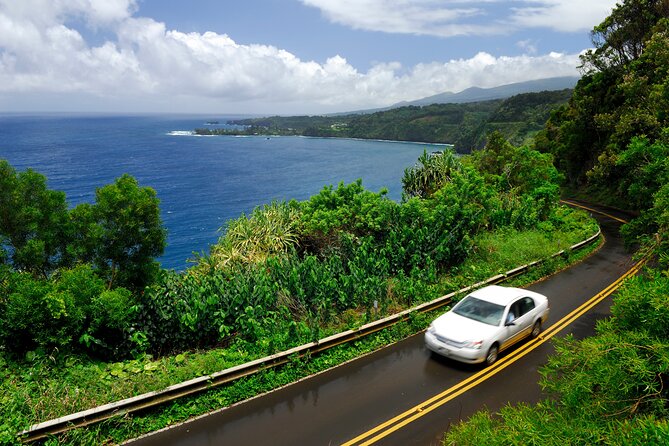
Road to Hana is gorgeous, but it’s also the kind of drive that makes you bounce between two modes: enjoy the view, then panic about missing the next pull-off. This audio tour solves that with offline GPS mapping and audio that cues based on your location—so you’re not constantly checking your phone.
The big win is how well this matches the reality of Hana driving. You’ll hit bends, roadside parking, slow traffic, and “one more stop” moments. With the audio, you can stop for photos or a quick walk and then resume without losing the tour’s thread.
I also like that the narrator doesn’t talk nonstop. The stories come in at key moments, then you get silence again for the road sounds and the scenery. It keeps your focus on the drive while still teaching you what you’re seeing.
You can also read our reviews of more tours and experiences in Maui


Price and value: $16.99 per group actually makes sense
At $16.99 per group (up to 4), you’re paying for one experience for your whole car, not for separate tickets per person. That matters on this route because a lot of the cost difference between DIY and guided tours is usually per person.
You also get lifetime access with no expiry. That means if you come back to Maui later, you can reuse the tour instead of buying again. Add in the fact that the tour is built for a long, stop-heavy route (over 70+ miles and 60+ audio stories), and the price feels less like an add-on and more like a driving companion you’ll use.
The only real “cost” you should budget for is on-the-ground spending: permits and entrance fees at certain stops are not included.
Paia and Ho’okipa: your first “I get why people love Maui” stretch

You start in Paia, a colorful, artsy town with a kind of quirky local vibe. It’s the perfect first stop because it sets the tone for the day: this is not a sterile, staged tourist experience. Even the sign you’ll spot about not feeding the hippies hints at the local humor and character.
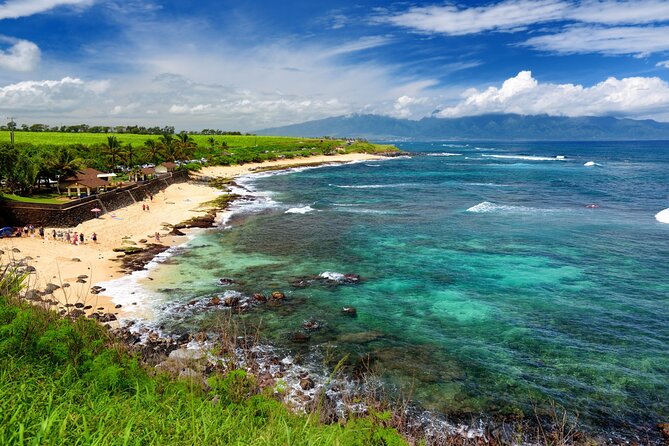
Then you head to Ho’okipa Beach Park. It’s a spacious state park and surfing spot, with picnic areas and pavilions—exactly what you want when you’re warming up for the long drive. This part works well because the scenery is instantly rewarding, even if you don’t do a big hike.
Both of these early stops are marked as free admission in the tour info. That’s a small detail, but it helps your day feel easier right away.
Mile Marker Zero through Twin Falls: history on the move
As you pass Mile Marker Zero, the narration shifts from vibe to context. You’ll hear how this road began as a footpath in the 1400s—a reminder that Road to Hana isn’t just a modern tourist route. It’s a corridor with deep roots, and the audio does a nice job giving you something to picture while you drive.
The first big photo moment is Twin Falls. The tour frames it as two waterfalls in one stop, so you’re not just hunting for a single overlook. Plan for a quick pull-off, a short look, and some photos—then get back in the car. On Hana, the best stops are the ones you can enjoy without feeling rushed.
If you’re the type who likes to pair the story with the scenery, this section is where the tour starts to feel like it was made for you.
Arboretums, trails, and the Garden of Eden stop you’ll talk about later

After you get going, the tour leans hard into plants, greenery, and the way Maui can look both lush and oddly sculptural.
You’ll pass a chance to explore Waikamoi Ridge Trail, which the tour describes as offering standout scenery. This is the type of moment to decide how you travel: if you like short jungle walks and viewpoints, you’ll likely enjoy it. If you want mostly car time and quick stops, you can treat it as a “maybe later” moment.
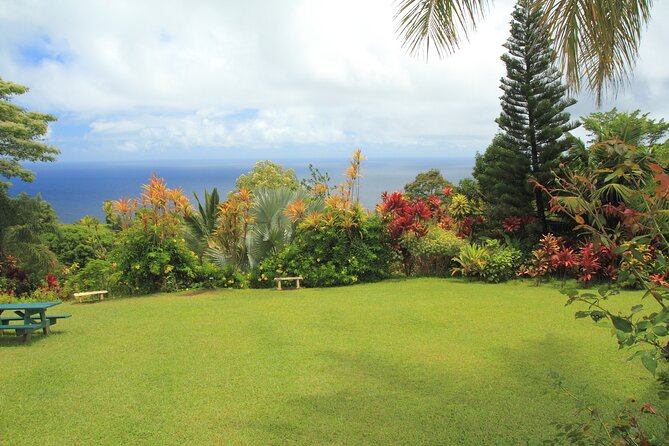
Then comes Garden of Eden Arboretum, known for 700+ plant species, including plants connected to George Harrison. The story adds weight here, because it turns a garden stop into a mini history lesson about how plants can carry people’s lives along with them. One caution: admission fees are required here and not included in the tour price, so expect to pay at the gate if you want to go in.
Next is Kaumahina State Park, a coastline stretch that’s good for a picnic or a photo break. This is a nice reset spot: you’ll feel the rhythm shift from hikes and attractions back to easy coast views.
You can also read our reviews of more tours and experiences in Maui



Honomanu Bay, Ke’anae Arboretum, and the coastline that changes moods fast
The tour keeps stacking viewpoints and plant-heavy stops along the coast. Honomanu Bay is described as a black pebble beach, the kind of place where the sound of waves fills the gap between story segments.
You’ll also hit Nua’ailua Viewpoint for views of Maui’s more rugged, rocky coastline. This stop is short, but it helps you understand what the Hana area looks like when it’s not softened by greenery.
Then you’ll get Ke’anae Arboretum, described as having changed from a black-rock peninsula to one of the island’s greener spots. That contrast is the point: Maui changes quickly, and these stops help you notice how.
Two other moments to treat with intention:
- Ching’s Pond is mentioned as a popular cliff-jumping spot. If you’re even thinking about it, use caution—conditions matter, and the tour doesn’t pretend it’s a harmless photo op.
- Wailua Valley Lookout is presented as a must for jungle-style views of remote parts of the island.
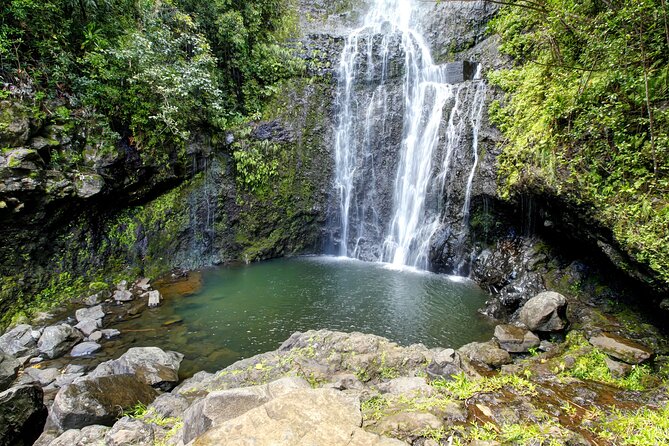
The tour also sets you up for a series of waterfalls (described as three that merge into one tremendous waterfall in the wet season). If you’re visiting in wetter months, you may get a more dramatic show.
Finally, Pua’a Ka’a State Park brings an unexpected animal element: mongooses. The narration explains how they ended up on the island and what that means for native wildlife. That kind of detail is exactly why an audio tour can beat a checklist-style guide.
Nahiku: viewpoints, George Harrison ties, and where to snack
As you continue, you reach Nahiku Viewpoint, which the tour notes is near the former home of George Harrison. Even if you’re not a music-head, this kind of anchor helps you remember the island isn’t just scenery—it has stories tied to real people.
Right after that, there’s Nahiku Marketplace. This is your practical stop: grab a souvenir or a snack without forcing a detour. On a Hana day, these small “I’m hungry” breaks can be the difference between a fun ride and a cranky one.
Then you roll into Kahanu Garden, which the tour highlights as more than plants because it contains an ancient Hawaiian temple called a heiau. That’s a great example of how Hana rewards curiosity: if you take a few minutes to read and look, the place becomes layered.
Wai’anapanapa black sand and the beaches with big personalities

This is one of the Hana moments people most often build their day around: Waiinapanapa State Park, famous for Hawaii’s black sand beach. The tour emphasizes it as a seriously incredible volcanic beach sight, so if it’s on your must-see list, plan time to enjoy it—not just snap photos and leave.
Important: reservations and permits are required for this stop, and they’re not included in the tour price. If you don’t have the booking in place, you might arrive at a closed-feeling situation. Put this one on your planning checklist before your drive.
From there, the tour turns beach-to-beach with distinct looks:
- Hana Bay: described as a lively beach area with BBQs, kayaks, and clear water.
- Koki Beach: a striking red sand beach—very photo-friendly.
- Hamoa Beach: mentioned because Oprah owns around 200 acres here, adding star power to a place you’ll still experience mostly as ocean and wind.
The tour also includes Waioka Pond, nicknamed Venus Pool, described as secluded and picture-perfect. It’s also noted as a cliff-jumping spot for amateurs—again, take caution. This is the kind of location where you should decide what kind of experience you want: views only, or a risk-aware water moment.
Then you’ll reach Wailua Falls—described as about 200 feet tall. This is a solid “make room for awe” stop. Don’t rush it. Let the waterfall do its job.
The Haleakala/Kipahulu finish: big trail payoff
Near the end, the audio shifts to the Haleakala National Park area. The tour frames the scale: a volcano peak stretching about 10,000 feet above sea level. Even if you don’t go high into the park, this context makes the final stretch feel bigger than a roadside attraction.
You’ll get to Pipiwai Trail, highlighted as featuring waterfalls, a bamboo forest, and lush jungle scenery. This is your big walking payoff. It’s also the stop most likely to lengthen your day if you’re the type to stop, look back, and take too many photos.
The tour concludes at the Kipahulu Visitor Center. From there, the activity ends back at the meeting point, so you’re not left guessing how to wrap up.
Practicalities: offline GPS, starting right, and avoiding audio sync drama
Here’s what makes this type of tour work: your phone’s GPS has to agree with the tour. The audio plays based on your location, not on you tapping a button at random.
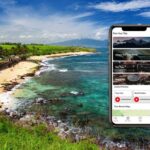
Before you start, you’ll download Action’s Tour Guide App and enter the password sent by email/text. The tour info is very clear that you MUST download the tour while you’re on strong Wi-Fi or cellular. After that, it works offline.
On the day:
- Open the Action audio tour guide app onsite.
- Launch the tour with your planned starting point and direction.
- Start the first story at the designated starting point. Audio begins automatically as you reach it.
- Stay on the route and follow the speed limit shown in the app for the best sync.
Why so strict? Because multiple issues in the feedback revolve around audio falling out of rhythm when people detour, make wrong turns, or start from the wrong place. The tour is designed to be GPS-triggered, so being off-route can cause the narration to repeat or play late.
If you can, set up audio so you can drive hands-free. The tour notes you can connect your phone to the car stereo via Bluetooth, USB, or AUX, and it’s compatible with Apple CarPlay. For walking moments, headphones can keep things clear.
Two safety/real-world notes from the tour info:
- Maui County has temporarily closed a section of Road to Hana from Alelele Bridge to Lelekea Bridge near K’pahulu. Check before you commit.
- Hawaii can issue tsunami warnings after Pacific earthquakes. If you’re traveling close to an event window, follow official updates at tsunami.gov.
What you should plan to skip (and what you shouldn’t)
You don’t have to do everything for the tour to be worth it. The experience is built so you can pause, take side walks, and skip stops that don’t fit your energy.
Still, I’d treat these as high priority based on how the tour is framed:
- Twin Falls
- Garden of Eden Arboretum (if you’re okay paying entrance fees)
- Waiinapanapa State Park (if you’ve booked the required permit/reservation)
- Wailua Falls
- Pipiwai Trail (if you want a real hike payoff)
If you’re short on time or traveling with people who don’t do trails well, you can focus on viewpoints and waterfall pull-offs. The audio helps you pick the best moments without needing to constantly consult a map.
Who this self-driving Road to Hana tour fits best
This is a great match if you:
- want flexibility and don’t want a rigid bus schedule
- prefer driving at your own pace and pausing often
- like history and storytelling mixed into scenic stops
- want a per-car value (up to four people)
It’s not the best match if you:
- need turn-by-turn navigation that reroutes instantly
- can’t download the offline tour on strong Wi-Fi beforehand
- don’t want to handle permits/entrance fees at specific stops
Book it or skip it: my decision guide
If you’re doing Road to Hana by rental car, I’d lean yes. The standout reasons are simple: offline GPS, hands-free narration, and strong value per carload. Plus, the stop variety—from arboretums to black sand to a bamboo trail—keeps the drive from feeling like one long blur of turns.
I’d only skip if you want a guided group day, or if you need live turn-by-turn rerouting. This tour rewards drivers who stay on the planned route and use the audio cues like a co-pilot.
FAQ
FAQ
How much does the Road to Hana audio tour cost?
It costs $16.99 per group, with room for up to 4 people.
How long is the Road to Hana tour?
Plan about 2 to 3 hours to complete it.
Do I need cell signal or Wi-Fi during the drive?
You don’t need cell signal or Wi-Fi for the tour itself. The tour is designed to work offline after you download it.
What do I need to do before I arrive?
After booking, you’ll get email and text instructions with a password. Download the Action’s Tour Guide App and the tour content while you have strong Wi-Fi or cellular access, since you need to download before going offline.
How does the audio start while I’m driving?
There is no guide meeting you. You open the app onsite and start the tour at the designated starting point. The audio then plays automatically as you reach each GPS-triggered location.
Can I pause the tour and continue later?
Yes. You can pause and resume as you like, and you can use the tour over one or multiple days.
Are attraction tickets included, like entry to Wai’anapanapa or Garden of Eden?
No. Attraction passes and entry tickets are not included, and Wai’anapanapa State Park permit/reservations are required. Garden of Eden admission fees are also not included.
What if the audio doesn’t match where I am?
The audio is GPS-triggered, so it’s important to start from the correct starting point and stay on the suggested route and speed limit for the best sync. If you get out of sync, you’ll likely need to rejoin the route.
What should I know about closures on Road to Hana?
Maui County has temporarily closed a section of the road from Alelele Bridge to Lelekea Bridge near K’pahulu. Plan your drive accordingly.